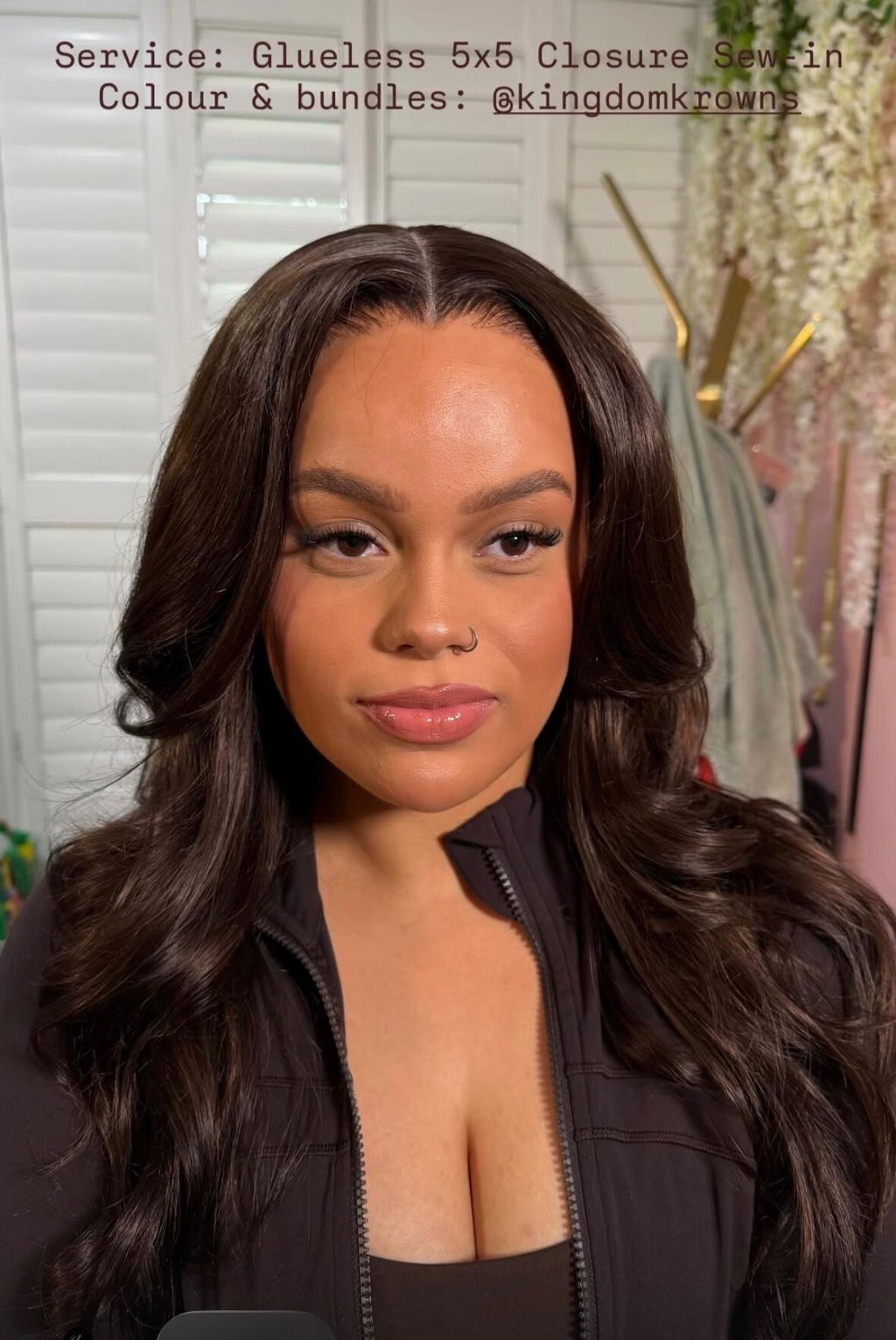
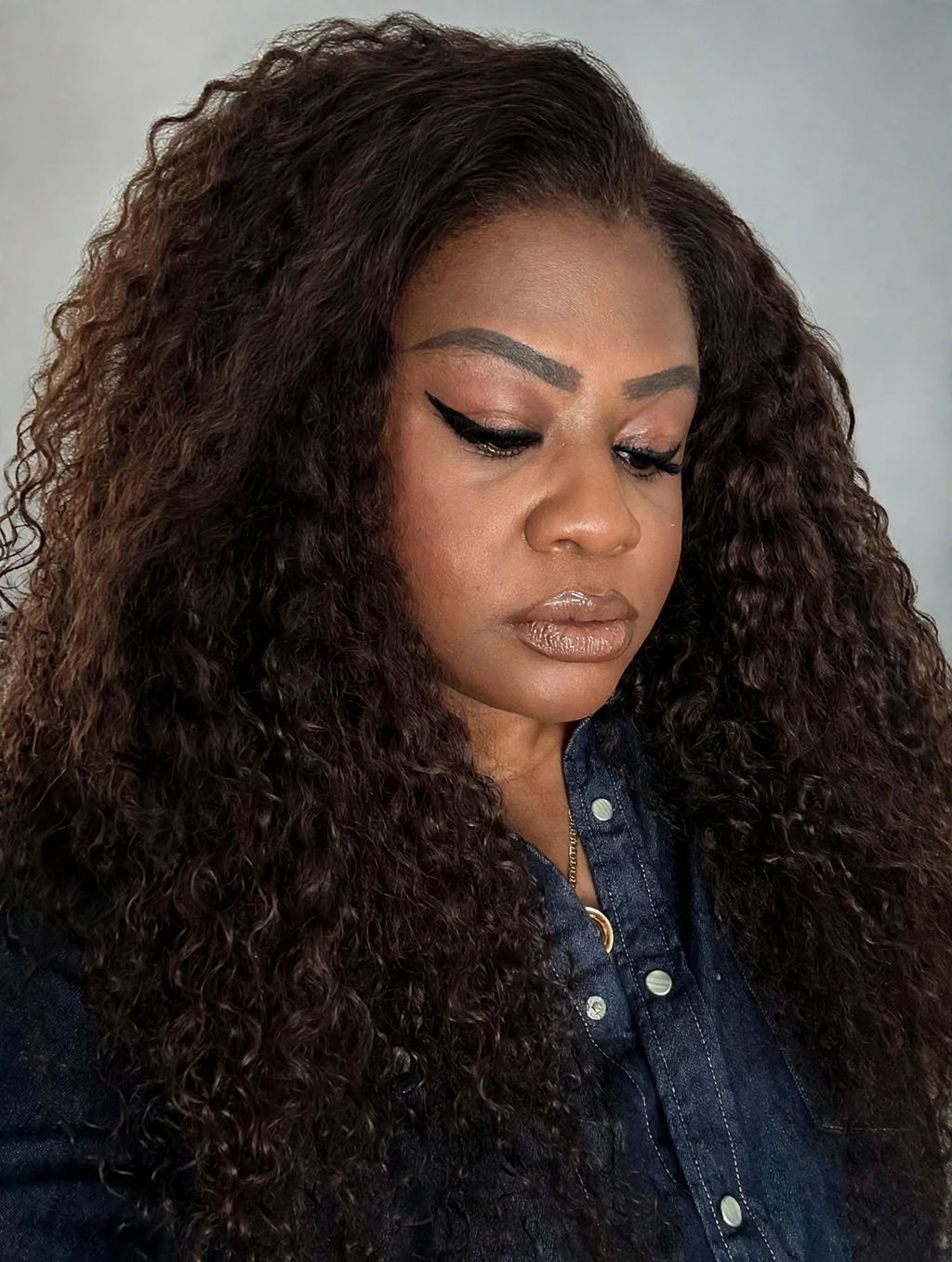
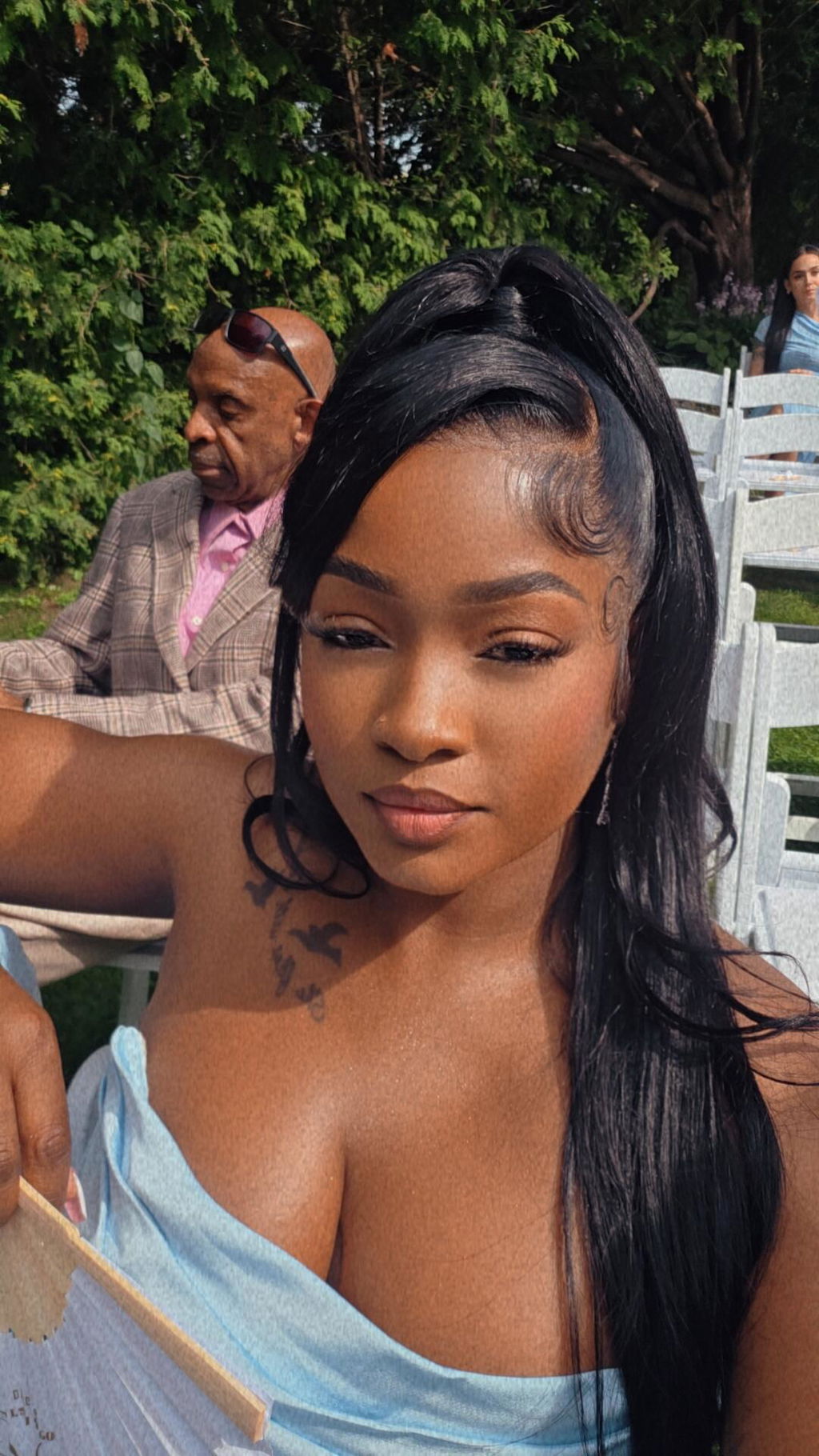
A different approach to versatility, with your own hair becoming part of the finish.
Not every wig experience needs to begin with a full lace hairline. Half wigs and U-part wigs offer alternative constructions that incorporate some of your natural hair into the finished style. For customers who enjoy blending their own hair with extensions, these styles can be worth exploring.
What is a half wig?
A half wig is designed to cover part of the head while leaving a section of your natural hair available to blend over or around the wig. The exact construction and coverage can vary by style. The goal is to create a blended appearance using both the wig hair and your own hair.
What is a U-part wig?
A U-part wig features an opening shaped like a U, allowing a section of your natural hair to be pulled through and blended with the wig. This can create a look that incorporates your own parting area without requiring a traditional full lace frontal.
How are they different from lace wigs?
Traditional lace wigs use lace around a designated hairline or parting area. Half wigs and U-part wigs instead rely on blending your own hair with the extension hair. They may be appealing to customers who prefer not to work with a full lace hairline, but they do require a suitable leave-out section.
What should you consider before choosing one?
Think about whether your natural hair can blend with the extension texture and colour. Consider the amount of leave-out required, your comfort with heat styling and how you will protect your natural hair. Your stylist can help determine whether the construction suits your hair and styling goals.
The Krown Edit
Versatility is about finding a style that works with your preferences. If you enjoy blending your own hair into your look, a half wig or U-part wig may be an option to consider.